

What an Autism Evaluation Can Reveal
People seek clarity when social communication, sensory processing, and preferred routines seem meaningfully different from peers, partners, or coworkers. Many readers arrive with a basic question in mind, namely, what is autism, and how do clinicians describe its common characteristics across the lifespan and across diverse cultures? Rather than viewing traits as deficits, contemporary frameworks emphasize neurodiversity, strengths, support needs, and functional fit in everyday environments. This perspective helps individuals interpret patterns compassionately and constructively.

Motivation to explore personal traits often arises from school challenges, masking fatigue, or workplace misunderstandings. Beyond labels, seekers often try an autism test to organize observations before meeting a clinician, using the results as a talking point rather than a verdict. Thoughtful reflection on sensory triggers, social energy, and communication style can make subsequent conversations with professionals more efficient and less stressful. As you collect examples from daily life, consider both strengths and pain points to build a balanced picture.
-
![]() Focus on patterns over isolated moments.
Focus on patterns over isolated moments. -
![]() Balance self-observation with input from trusted people.
Balance self-observation with input from trusted people. -
![]() Keep notes about situations that feel easy, hard, or exhausting.
Keep notes about situations that feel easy, hard, or exhausting.


From Scores to Clearer Insight
Reliable information matters because inaccurate resources can mislead and delay useful support. Some online tools present a structured autism spectrum test that groups everyday behaviors into scored categories, which helps people notice consistent patterns over time. While these tools can be informative, the most meaningful insights emerge when scores are combined with context from school reports, work evaluations, and lived experiences shared by the individual and close observers. With that blend, the path forward becomes clearer.
Start the TestRAADS-R and AQ Tests: What They Measure
Clinicians and researchers utilize multiple instruments to understand social communication, sensory integration, and repetitive or highly focused interests. For late-identified adults, practitioners sometimes reference the RAADS-R test, which surveys language pragmatics, sensory reactivity, and social relatedness across childhood and adulthood. No single score tells the full story, so professionals combine structured measures with interviews, developmental histories, and observational data to build a nuanced profile.

Broad-trait questionnaires help compare personal experiences with population norms and with autistic cohorts. Researchers frequently cite the autism spectrum quotient test when discussing measured trait distributions and when examining how certain characteristics cluster together in large samples. Questionnaires often highlight social intuition, attention switching, sensory load, and detail focus, which together shape everyday functioning. While these tools are informative, interpretation benefits from clinical training, cultural competence, and an understanding of masking and compensation strategies.
-
![]() Self-report measures capture subjective experience in the person’s own words.
Self-report measures capture subjective experience in the person’s own words. -
![]() Informant reports add context from partners, parents, or colleagues.
Informant reports add context from partners, parents, or colleagues. -
![]() Observational tasks reveal interaction styles that questionnaires may miss.
Observational tasks reveal interaction styles that questionnaires may miss.
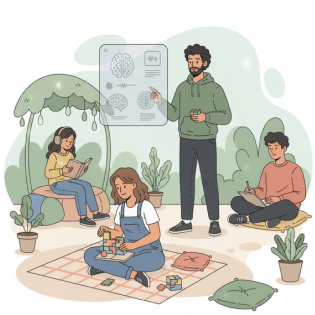
Self-screening can illuminate patterns that may have felt confusing or scattered, turning fragmented anecdotes into a coherent narrative. Early exploration also reduces anxiety by offering language for needs, boundaries, and preferred supports. Because screening is an initial step, many people consult a brief autism screening test to gauge whether further evaluation might be beneficial without committing to a full diagnostic process immediately. Used responsibly, this approach can shorten time to useful accommodations and self-advocacy.
Start the TestFrom Screening to Supportive Next Steps
Adults who grew up without recognition often carry accumulated burnout, so clarity can be profoundly validating. Many report that checking traits against a targeted autism test for adults reveals long-standing themes in sensory filtering, social energy management, and communication styles. Insight into these patterns can guide adjustments at work, school, and home, including environmental tweaks, task design changes, and supportive communication norms. The goal is better daily fit, not a label for its own sake. Access and cost considerations matter, particularly for those navigating insurance hurdles or long waitlists. To gather preliminary information without financial strain, some people start with an autism test for free option hosted by reputable organizations before seeking professional input. Results should be framed as data points rather than conclusions, and ethical use means avoiding gatekeeping or self-stigmatizing interpretations. Context, compassion, and informed next steps keep the process healthy and productive.

Preparing for Screening and Making the Most of Your Results
Quality sources are essential, so vet tools for transparency about scoring and purpose. Some readers appreciate the clarity and educational notes offered alongside the embrace autism test, because explanations can demystify item phrasing and reduce misinterpretation. Look for instruments with clear privacy policies, plain‑language guidance, and citations to peer‑reviewed literature, then save your responses for future reference during professional conversations. Before you begin, choose a calm time of day and minimize interruptions. When reflecting on everyday behaviors, many people find that a guided autism self-test works best when responses reflect typical weeks rather than unusual days. If possible, repeat a measure after a few weeks to see whether patterns remain stable, and summarize what stays consistent across contexts such as home, work, and social gatherings.
-
![]() Set aside 20–30 distraction‑free minutes.
Set aside 20–30 distraction‑free minutes. -
![]() Gather examples from multiple settings and time periods.
Gather examples from multiple settings and time periods. -
![]() Revisit results later to confirm stability or change.
Revisit results later to confirm stability or change.
Why Test Results Need Context
Numbers feel definitive, but context is everything, and adjacent domains like anxiety or ADHD can overlap in ways that shift responses. Some people explore vision‑based tasks out of curiosity, and a few mention the informal autism eyes test as a way to reflect on social cue perception without treating it like a diagnosis. Whatever you try, interpretation should connect scores to lived impacts, reasonable supports, and realistic adjustments at school, work, and home.
Start the TestUsing Assessment Insights to Improve Daily Life
When you’re ready for professional guidance, a structured autism assessment test administered by trained clinicians can integrate developmental history, direct observation, and collateral input. That integrative approach clarifies needs, identifies co‑occurring conditions, and informs supportive plans tailored to context. To help you translate results into action, the quick reference below maps common score patterns to practical next steps you can start immediately while waiting for appointments.
| Pattern or Score Range | Suggested Next Step |
| Borderline or Mixed Indicators | Track examples for two weeks and prepare a concise history timeline. |
| Consistently Elevated Traits | Request workplace or school accommodations and schedule a consultation. |
| High Sensory Sensitivity | Trial environmental changes such as lighting, noise control, and break scheduling. |
| Social Communication Strain | Adopt scripts, clarity checks, and asynchronous communication where possible. |
| Executive Load Peaks | Use task chunking, checklists, and external reminders to reduce cognitive load. |
Diagnostic language can feel intimidating, so pace yourself and remember that support does not depend on labels alone. In many systems, a formal statement such as an autism spectrum disorder test result may unlock specific services, yet practical accommodations often begin with clear self‑advocacy. Keep copies of questionnaires, examples, and notes so you can share concise, relevant information during appointments, and revisit strategies as needs evolve.
Online Autism Spectrum Test for Adults & Kids
Get StartedFrequently Asked Questions
- How reliable are online self‑screens?Well‑constructed questionnaires can reliably flag trait patterns, and they work best when combined with real‑world examples. Because self‑reports can be influenced by masking, mood, or fatigue, plan to retake a measure after a few weeks to confirm consistency before drawing conclusions. Consider them signposts rather than diagnoses, and use them to prepare for a conversation with a qualified professional who can weigh broader context.
- What should parents of toddlers consider before completing a checklist?Start by observing communication, play, sensory reactions, and routines across several days, and note what soothes or escalates distress. Many pediatricians reference structured instruments, and some families read about the M-CHAT autism test as part of early developmental surveillance before well‑child visits. Documenting examples with dates helps clinicians see patterns, especially when caregivers or childcare providers contribute consistent observations.
- Can adults use web‑based tools if they suspect long‑standing traits?Yes, many adults begin with questionnaires to organize lifelong experiences and to identify themes worth discussing with a clinician. For those seeking convenience and privacy, some people try an online autism test adults option to get a preliminary sense of fit before scheduling an appointment. Whatever the tool, pairing results with a written life history will make any subsequent evaluation faster and more precise.
- What if my scores change when I retake a tool?Fluctuations can result from stress, sleep, environment, or how you interpreted items that day. Focus on the durable themes across multiple attempts, and compare responses with input from someone who knows you well. If variability remains high, a clinician can help disentangle overlapping factors such as anxiety, ADHD, or depression that may be affecting how you answer.
- How do I move from self‑screening to formal support?Summarize your history, collect examples from work or school, and outline what improves or worsens daily functioning. Bring those notes to your primary clinician for referrals, and ask about accommodations you can implement right away while you wait. Clarity grows when you connect data to practical changes, so keep iterating until everyday life feels more sustainable.
The Latest News
 Adult Autism Test: A Comprehensive, Reader‑Focused Guide Online Autism Spectrum Test for Adults & Kids Get Started Understanding Screening and Why Adults Seek Clarity Across the lifespan, many people recognize patterns in social communication, sensory responses, and daily routines that hint at longstanding neurodivergence. The languag...
 - 10 December, 2025
- Your Comprehensive Guide to Free Autism Screening Online Autism Spectrum Test for Adults & Kids Get Started Understanding Accessible Screenings and Why Early Insight Matters Many people are curious about neurodivergent traits yet feel uncertain about where to begin. Self-reflection often starts with simple questions about commu...
- 9 December, 2025
- Online Autism Test for Adults: Clarity, Caution, and Confident Next Steps Online Autism Spectrum Test for Adults & Kids Get Started Understanding Digital Self‑Assessments and What They Can Reveal Across the world, adults are turning to digital self-assessments to explore patterns in communication, sensory preferences, and daily routines. Many people u...
- 8 December, 2025
Please Note
This website (autism-test-hub.com) is not an official representative, creator or developer of this application, or product. All the copyrighted materials belong to their respective owners. All the content on this website is used for educational and informative purposes only.